Techniques in Underwater Welding
The two main categories of underwater welding techniques are:
1. Wet Underwater Welding
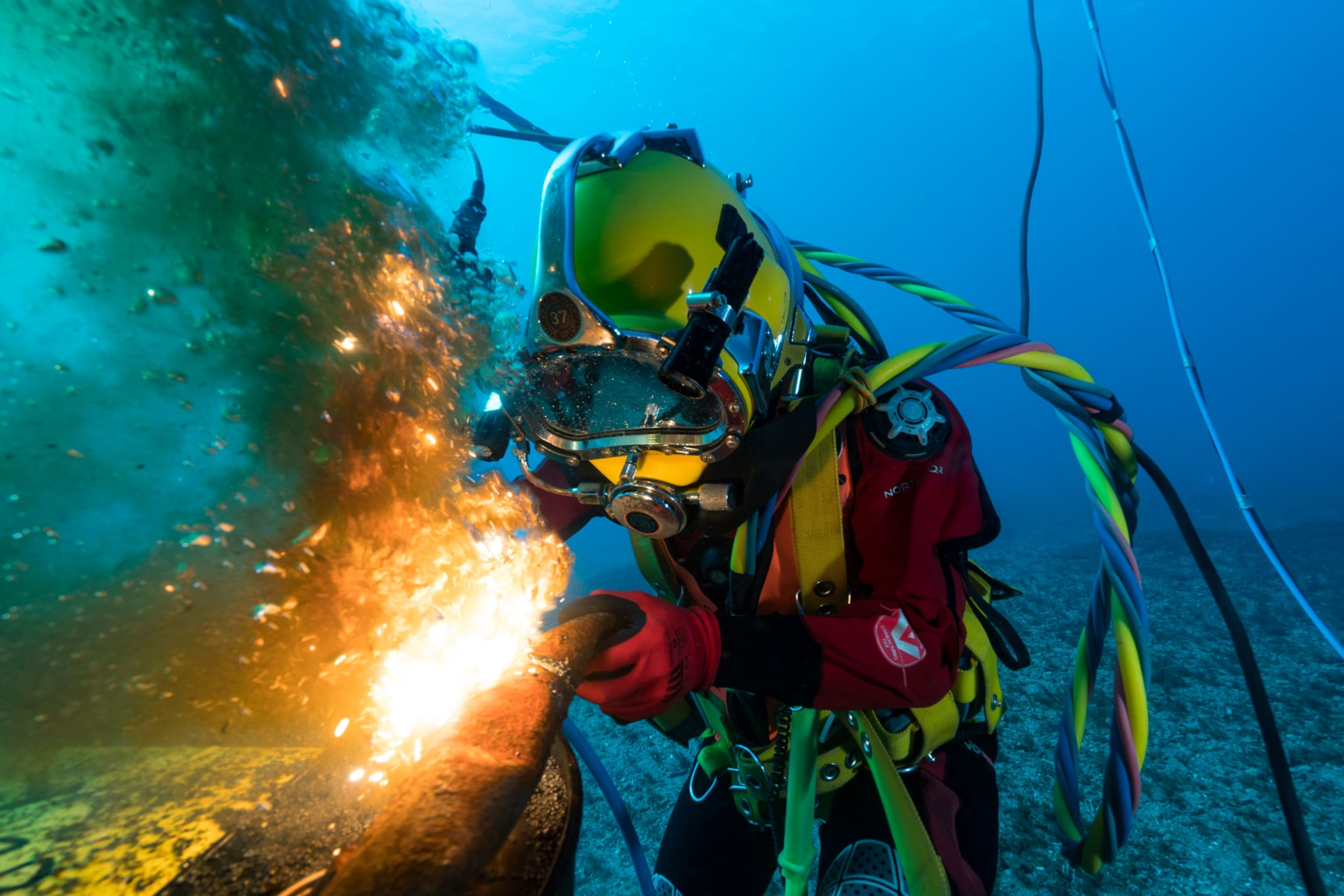
The definition of underwater welding usually refers to the wet welding technique where there is no mechanical barrier that separates the welding arc from the water. In wet underwater welding, shielded metal arc welding is commonly used, employing a waterproof electrode. In each of these cases, the welding power supply is connected to the welding equipment through insulated and waterproof cables. The wet welding process is generally limited to low carbon equivalent steels.
2. Dry Underwater Welding (Hyperbaric Welding)
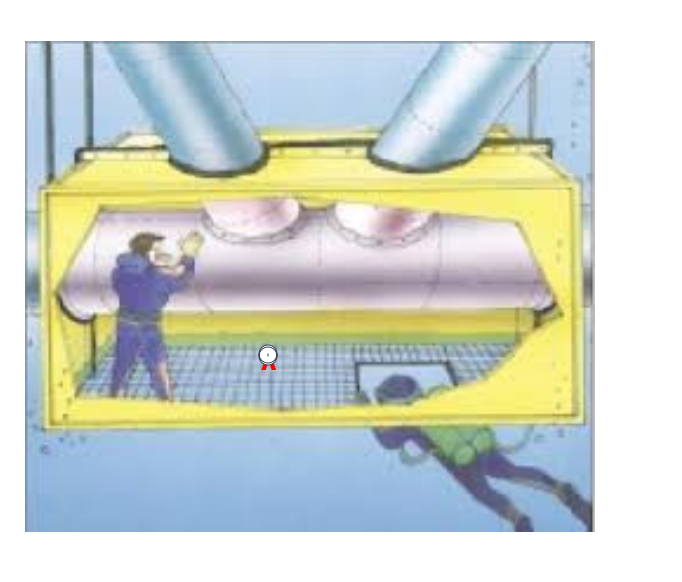
Where high integrity welds are required, dry underwater welding may need to be undertaken. In dry underwater welding, the weld is performed at the prevailing pressure in a dry chamber filled with a gas mixture sealed around the structure being welded. The applications of underwater welding are diverse and often used in underwater construction, ship repair, and pipelines. Steel is the most common material welded.